



Dry Eye & Allergy Specialists in Ujjain: Relief for Irritated, Tired Eyes

Visualeyes Hospital, Ujjain combines decades of specialist expertise with state-of-the-art diagnostics to treat dry eye syndrome and ocular allergies. Our approach prioritizes early detection, precise treatment, and sustained management, ensuring you enjoy long-lasting clarity and comfort.

Dry Eye & Allergy Treatment in Ujjain: Experience Backed by Technology

Persistent dryness, irritation, redness, or watery eyes can disrupt daily activities in Ujjain, making reading, screen time, and outdoor tasks uncomfortable. When left untreated, dry eye and ocular allergies may gradually worsen, affecting both vision clarity and long-term eye health.

Visualeyes Hospital brings together Dr. Arvind Bhatnagar and an experienced ophthalmology team who use USFDA-approved diagnostic technology and evidence-based treatments to manage dry eye syndrome, allergic conjunctivitis, seasonal eye allergies, chronic irritation, redness, and inflammatory eye disorders.

With personalized care, targeted symptom relief, and long-term management plans, patients receive clear, comfortable, and healthier vision every day.

The Science Behind Dry Eye Syndrome

Dry Eye Syndrome develops when the eyes are unable to produce enough tears, or when the quality of tears is too poor to keep the surface of the eye healthy. This imbalance leads to discomfort, fluctuating vision, and difficulty focusing during daily tasks.

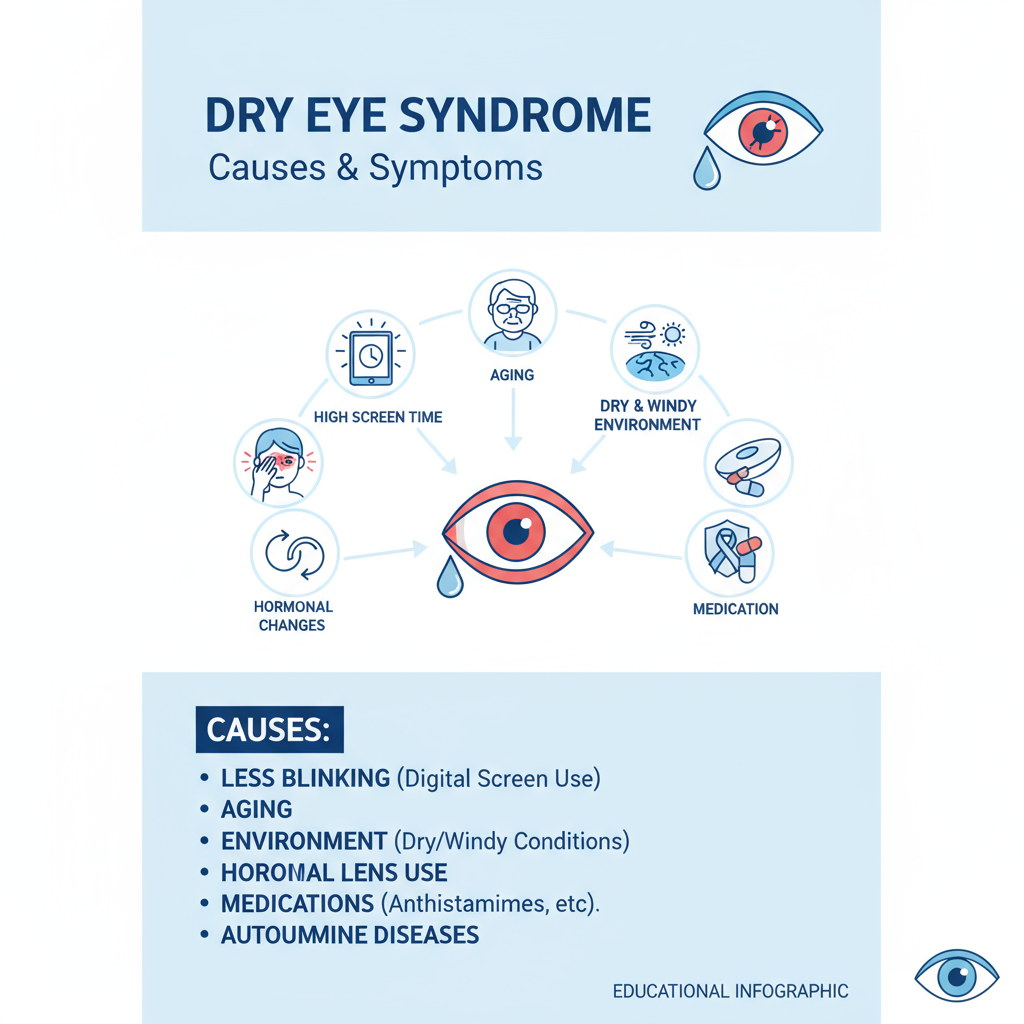
Several factors can contribute to dry eyes. Long hours on digital screens reduce blinking and cause the tear film to evaporate more quickly. Tear production also declines naturally with age, especially after 50. 

Environmental elements such as pollution, wind, and constant air conditioning further irritate the eyes. Contact lens wearers often experience dryness due to reduced oxygen flow to the cornea.

Hormonal changes, particularly during menopause, can affect tear stability, while certain medications, including antihistamines and antidepressants, may reduce natural tear production. In some cases, underlying autoimmune conditions like Sjögren’s syndrome can disrupt normal tear function.

Dry Eye Syndrome is more than a temporary irritation; understanding its causes helps ensure timely treatment and lasting comfort.

Recognizing the Signs of Dry Eye Syndrome

Dry Eye Syndrome often begins with mild discomfort but can gradually interfere with daily activities if left untreated. 

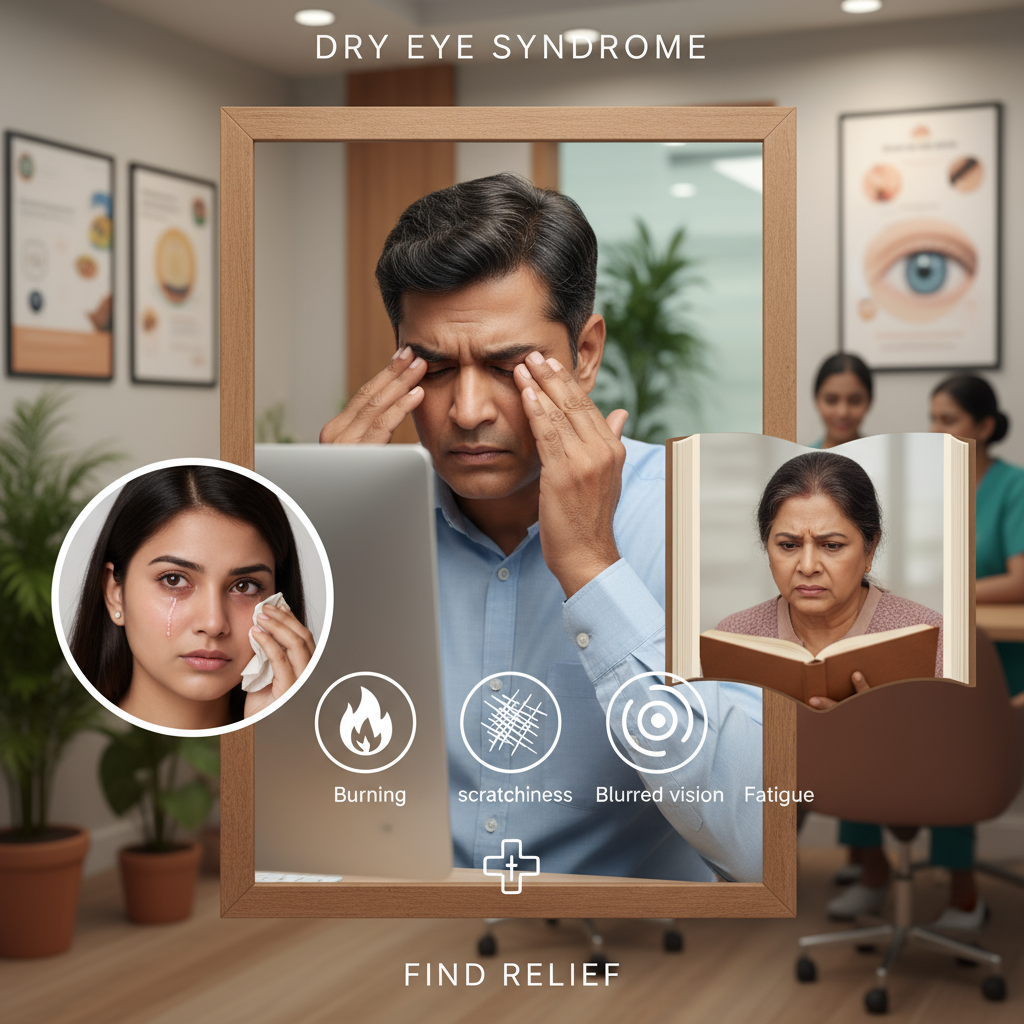
Many people notice a dry, scratchy, or burning feeling, along with the sensation that something is stuck in the eye. 

In some cases, the eyes may become excessively watery, a natural reflex triggered by dryness. 

Redness, irritation, and light sensitivity are also common, and vision may appear blurry or fluctuate throughout the day. 

Extended screen use or reading often makes these symptoms more noticeable, leading to eye fatigue. 

Without proper care, ongoing dryness can increase the risk of corneal damage, infection, and long-term changes in vision.

Understanding Ocular Allergies (Allergic Conjunctivitis)

Ocular allergies occur when the eyes react excessively to allergens such as dust, pollen, pet dander, or mold, causing inflammation of the conjunctiva, the delicate membrane covering the eye’s surface.

Common Allergy Triggers

  • Seasonal allergens (trees, grass, weeds)
  • Indoor dust mites or mold
  • Airborne pollution and smoke
  • Animal dander
  • Eye makeup or skincare products

Allergy Symptoms Include:

  • Intense itching or burning
  • Watery or teary eyes
  • Red, swollen eyelids
  • Gritty or foreign body sensation
  • Mucous discharge
  • Sensitivity to light

Unlike eye infections, ocular allergies are not contagious. However, they can be persistent, uncomfortable, and disruptive if not properly managed, making timely treatment important for relief and long-term eye health.

Why Choose Visualeyes Hospital for Dry Eye & Allergy Care?

WhatsApp Image 2025-10-29 at 16.16.46

Trusted Expertise

Dr. Arvind Bhatnagar and our eye care team specialize in treating dry eye and ocular allergy cases with a deep understanding of urban and age-related triggers.

generated-image (26)

Customized Treatment Plans

Every eye is different. We create personalized plans to provide lasting, not just temporary, relief.
generated-image (16)

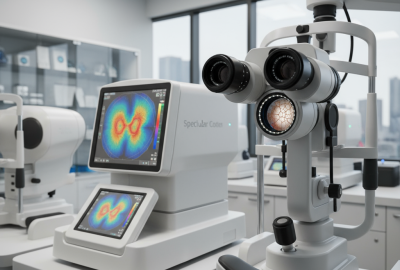
Advanced Diagnostic Tools

We don’t guess. We use advanced testing to precisely identify your condition and tailor a solution.

generated-image (33)

Child & Adult Care

From children with seasonal allergies to adults with digital eye strain, we treat all age groups with empathy and care.

generated-image (19)

Upfront Pricing, Complete Transparency

We provide detailed explanations of all procedures and costs, so you know exactly what to expect.

What Our Patients Say

What Our Patients Say

Frequently Asked Questions

People with prolonged screen use, contact lens wearers, older adults, or those exposed to dust, pollen, and pollution are at higher risk.

If left untreated, severe dry eye or chronic allergies can damage the cornea and impact vision, but timely treatment prevents long-term problems.

Using humidifiers, reducing screen time, wearing protective eyewear outdoors, and avoiding known allergens can help alleviate symptoms.

Yes, options include warm compresses, eyelid hygiene, punctal plugs, and specialized eye drops to improve tear quality.

Yes, allergens like pollen can trigger inflammation and worsen dryness, making combined management important.

Make An Appointment