



Specialized Neuro-Ophthalmology Care in Ujjain for Complex Vision Challenges

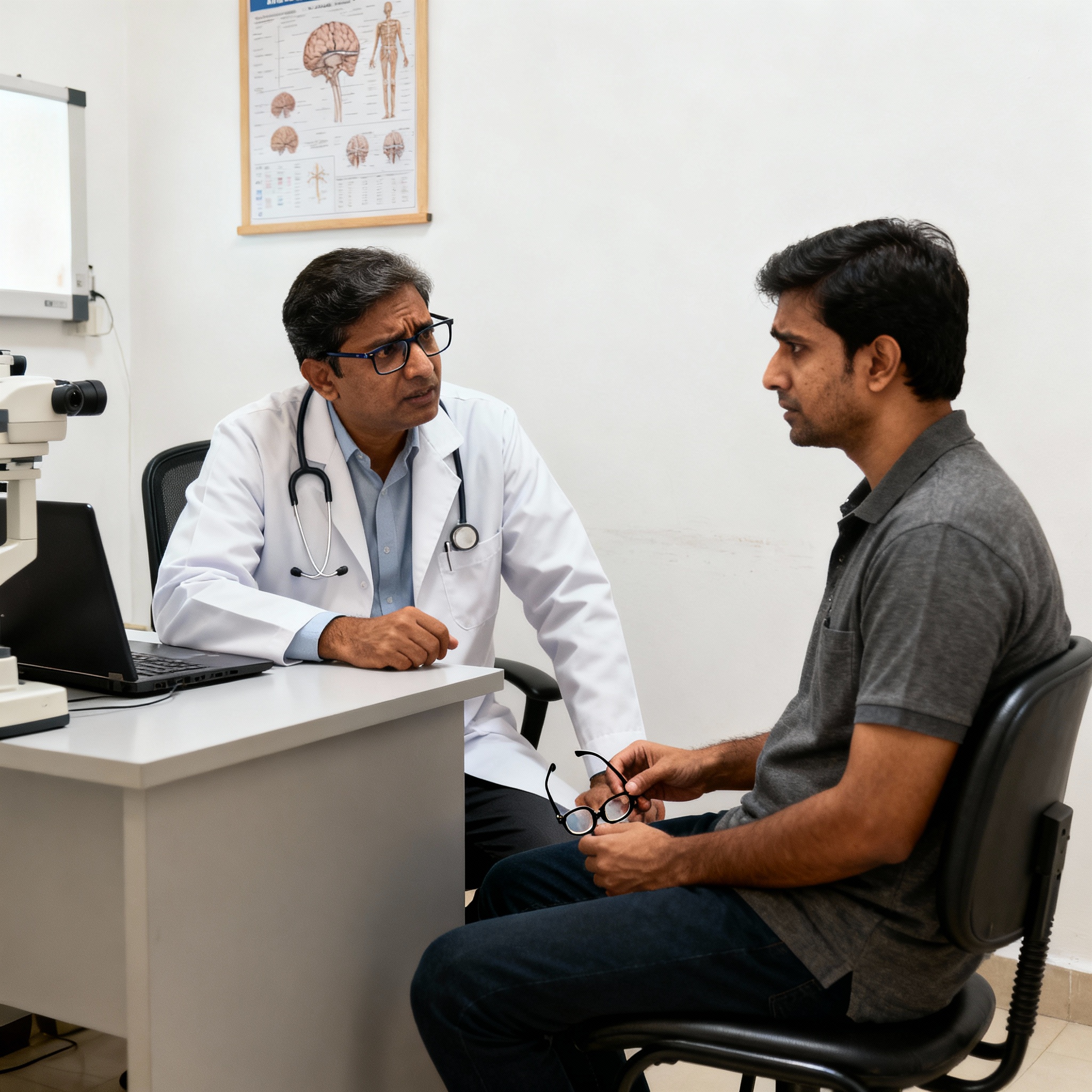
Visualeyes Hospital, Ujjain provides expert neuro-ophthalmology care for vision problems linked to neurological conditions.

Our expert team uses advanced diagnostics and personalized treatment plans to ensure accurate evaluation.

With precise management, patients achieve optimal visual function and improved quality of life.

Neuro-Ophthalmology Care in Ujjain: Expert Management for Vision & Nerve Disorders

Vision problems can sometimes stem from underlying neurological issues, impacting sight, eye movement, and overall quality of life. Conditions such as optic nerve disorders, visual field defects, or double vision may interfere with everyday activities like reading, driving, or using digital devices.

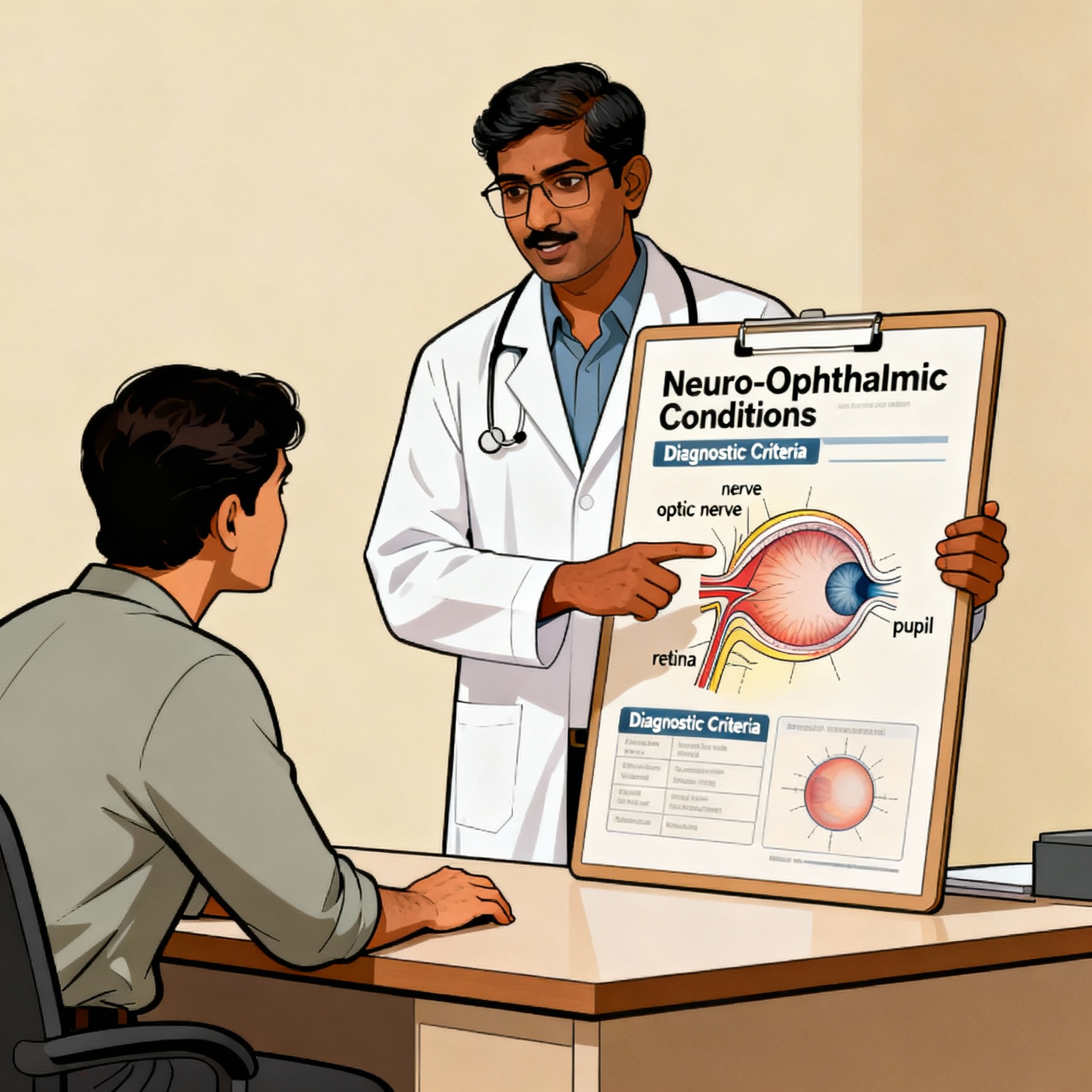
Visualeyes Hospital, Ujjain combines the expertise of Dr. Arvind Bhatnagar with a skilled ophthalmology team, utilizing USFDA-approved diagnostic tools and evidence-based treatments to address a wide range of neuro-ophthalmic conditions. These include optic neuritis, papilledema, optic neuropathy, ocular myasthenia, cranial nerve palsies, and vision disturbances linked to systemic or neurological diseases.

Through personalized management plans, including medications, vision therapy, and surgical or non-surgical interventions, patients experience improved visual function, symptom relief, and a better overall quality of life.

What are Neuro-Ophthalmology Disorders?

Neuro-ophthalmology focuses on vision problems caused by neurological disorders. These may involve the optic nerve, brain, or cranial nerves controlling eye movements. Symptoms can include blurred or double vision, visual field loss, eye movement abnormalities, and vision changes linked to systemic or neurological conditions.

Causes can range from optic nerve inflammation, brain tumors, stroke, systemic disease, trauma, or degenerative neurological conditions. Early diagnosis is critical for preventing permanent vision loss and addressing the root neurological issue.

Treatment depends on the underlying cause and may include medications, vision therapy, prism lenses, or surgical interventions. Prompt evaluation ensures the best outcomes and improved daily functioning.

Common Neuro-Ophthalmic Conditions We Treat

Neuro-ophthalmic disorders can affect vision, eye movement, and overall quality of life, but targeted treatment helps restore function and comfort.

Optic Neuritis: Inflammation of the optic nerve, often associated with multiple sclerosis, infections, or immune disorders.

Papilledema: Swelling of the optic disc caused by increased pressure inside the brain (intracranial hypertension).

Visual Field Defects: Partial or complete vision loss in certain areas, commonly linked to brain lesions, tumors, or stroke.

Ocular Myasthenia Gravis: An autoimmune condition that leads to fluctuating droopy eyelids and episodes of double vision.

Cranial Nerve Palsies: Weakness or paralysis of nerves controlling eye movement, resulting in double vision and eye misalignment.

Pituitary Tumors: Growths near the optic nerves that can cause vision changes; early detection is crucial to prevent permanent damage.

Stroke-Related Vision Loss: Reduced visual fields, difficulty focusing, or poor eye coordination following a stroke.

Nystagmus: Involuntary, rapid eye movements triggered by neurological, genetic, or developmental conditions.

How We Treat Neuro-Ophthalmology at Visualeyes Hospital

Symptoms

  • Sudden or unexplained vision loss
  • Double vision (diplopia), especially when tired
  • Drooping eyelids (ptosis)
  • Blurred or patchy vision
  • Difficulty focusing or reading
  • Visual field gaps, like black patches or tunnel vision
  • Eye movement issues or squint in adults
  • Headache or migraine associated with visual aura
  • Pupil size abnormalities or asymmetry
  • Recent stroke or neurological diagnosis affecting sight

Advanced Diagnostic Tests

  • Visual Field Testing: Detects subtle blind spots and peripheral vision loss
  • OCT (Optical Coherence Tomography): Provides detailed scans of the optic nerve and retina to assess swelling or nerve thinning
  • Fundus Photography: Captures high-resolution images of the optic nerve, retina, and blood vessels
  • Pupil Reflex Testing: Evaluates optic nerve and cranial nerve function
  • Color Vision Assessment: Helps diagnose optic nerve-related disorders
  • Neurology Coordination with MRI/CT: Joint evaluation with neurophysicians for brain, nerve, or structural causes of vision issues

Root Cause

  • High-Dose Steroid Therapy: Used for optic neuritis and inflammatory nerve conditions
  • Specialized Neurology Referral: For multiple sclerosis, tumors, stroke-related vision loss, or complex neurological causes
  • Prism Glasses: Helps correct double vision caused by cranial nerve palsies
  • Botulinum Injections: Useful in managing specific eye movement disorders and nystagmus
  • Eye Patching & Vision Therapy: Supports recovery from double vision or ocular muscle imbalance
  • Surgical Correction: For droopy eyelids (ptosis) or persistent eye misalignment
  • Myasthenia Gravis Management: Coordinated care with neuromuscular specialists for long-term stability

Why Choose Visualeyes Hospital, Ujjain?

generated-image (39)

Transparent Treatment Plans

All diagnostic tests, therapies, and surgical procedures are clearly explained, with no hidden costs or unnecessary interventions.
generated-image (40)

Advanced Diagnostic Evaluations

We use USFDA-approved technology to assess optic nerves, visual fields, ocular motility, and brain–eye connections for precise and reliable diagnosis.

generated-image (41)

Customized Treatment Plans

Every patient receives a tailored care plan based on their specific nerve, vision, and neurological findings, ensuring targeted and effective treatment.

WhatsApp Image 2025-10-29 at 16.16.46

Expert Neuro-Ophthalmologist

Dr. Arvind Bhatnagar has extensive experience diagnosing and treating complex neuro-ophthalmic conditions, from optic nerve disorders to cranial nerve palsies.

generated-image (40)

Ongoing Monitoring & Support

We closely track your progress with regular follow-ups, ensuring timely adjustments to your treatment as your vision and nerve health improve.

What Our Patients Say

Frequently Asked Questions

Patients with unexplained vision loss, double vision, optic nerve issues, or visual symptoms linked to neurological conditions should seek evaluation.

Yes, children can benefit from early diagnosis and treatment for conditions affecting vision or eye movement.

Not always. Treatment may include medications, vision therapy, or corrective lenses, with surgery reserved for specific conditions.

Yes, when performed by experienced specialists using modern techniques, procedures are safe with minimal risk.

Duration depends on the condition and therapy. Some patients need short-term management, while others require ongoing care.

Make An Appointment