


Expert Squint & Orthoptic Care in Ujjain: Restoring Perfect Eye Alignment
Visualeyes Hospital, Ujjain offers advanced eye care for strabismus and ocular alignment issues, combining expert diagnosis with personalized treatment and follow-up to ensure clear, comfortable vision.
Squint & Orthoptic Care in Ujjain: Tailored Orthoptic Solutions for Lasting Eye Alignment
Misaligned eyes can affect vision, depth perception, and self-confidence. Persistent squint or eye movement disorders may make daily activities such as reading, screen use, or sports challenging.
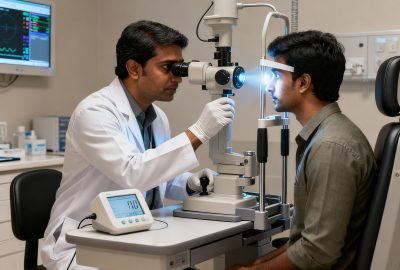
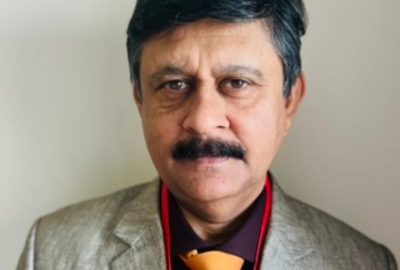
Visualeyes Hospital, Ujjain, unites the expertise of Dr. Arvind Bhatnagar with a skilled ophthalmology team, leveraging USFDA-approved diagnostic tools and evidence-based orthoptic treatments. The team manages a wide range of conditions, including strabismus in children and adults, amblyopia (lazy eye), convergence or divergence disorders, and other binocular vision problems.
Through personalized treatment plans, vision therapy, and squint eye surgery or non-surgical interventions, patients achieve improved eye alignment, enhanced visual function, and an overall better quality of life.
A Guide to Squint and Eye Alignment Disorders
Squint, also known as strabismus, occurs when the eyes are not properly aligned and point in different directions. This can be constant or intermittent and may involve one or both eyes. Misalignment can affect depth perception, cause double vision, and in some cases, lead to amblyopia (reduced vision in one eye).
Several factors can contribute to squint. It may be congenital, arise from eye muscle imbalances, refractive errors, or neurological conditions. In children, early detection is crucial to prevent long-term vision problems, while adults may develop squint due to trauma, systemic disease, or after eye surgery.
Understanding the underlying cause is essential for effective management, which may include vision therapy, corrective lenses, or surgical intervention. Early intervention ensures the best visual outcomes and improved eye comfort.
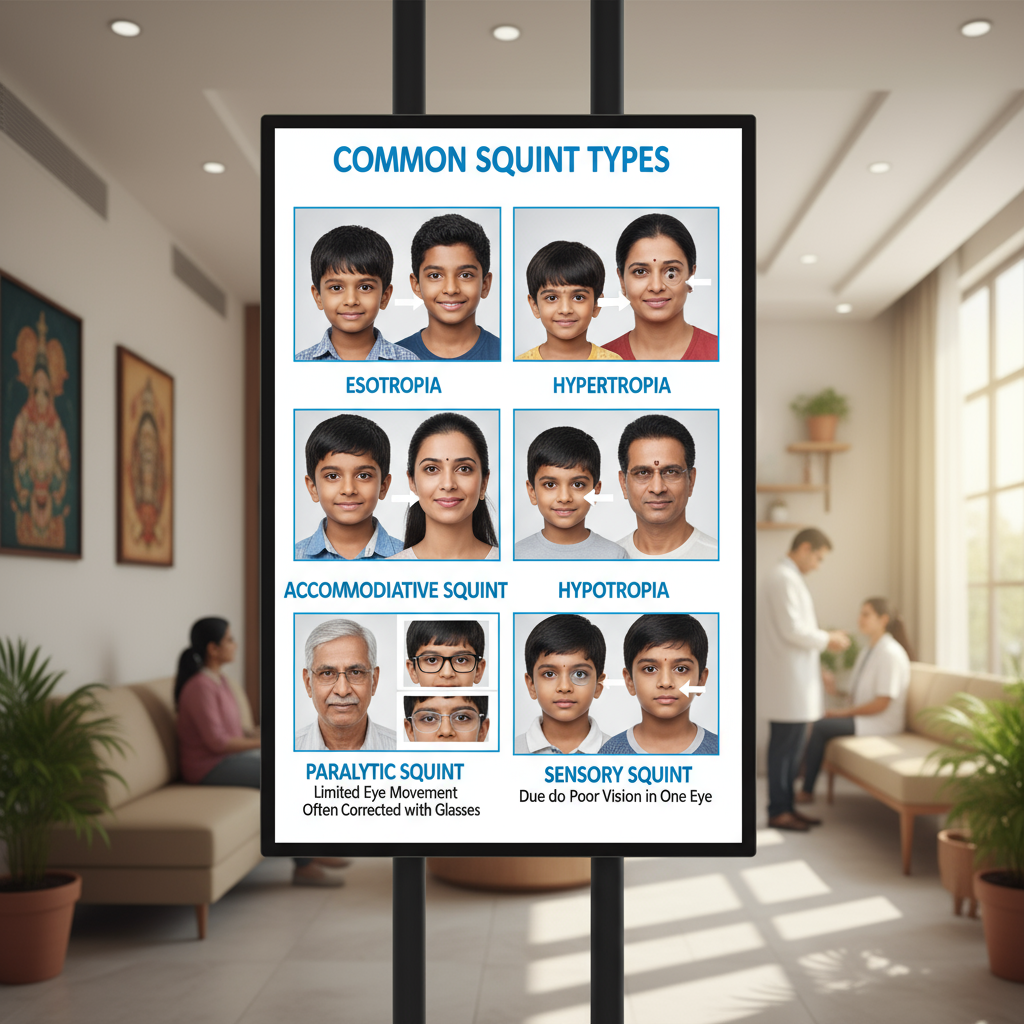
Types of Squint and Eye Alignment Disorders We Treat
Squint can affect vision, appearance, and daily activities, but targeted treatment can help restore proper eye alignment.
- Esotropia: Eye turns inward, commonly seen in children
- Exotropia: Eye turns outward, which may occur intermittently or constantly
- Hypertropia/Hypotropia: Vertical misalignment, where the eye turns up or down
- Paralytic Squint: Caused by nerve or muscle dysfunction
- Accommodative Squint: Related to focusing efforts, often in children
- Sensory Squint: Resulting from poor vision in one eye
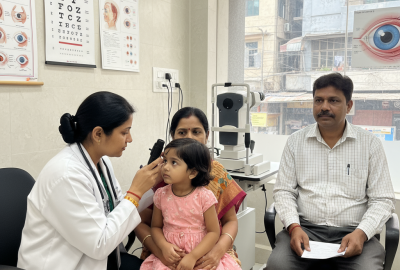
We provide treatment for both pediatric and adult squints, including long-standing or residual cases, using personalized care plans to improve eye alignment and visual function.
How We Treat Glaucoma at Visualeyes Hospital
We provide a complete range of glaucoma care — from early diagnosis to long-term management.
Diagnostic Tools
- Intraocular Pressure (IOP) Check
- Optical Coherence Tomography (OCT)
- Visual Field Test
- Gonioscopy & Fundus Examination
Medical Management
- Prescription eye drops to reduce IOP
- Lifestyle modifications & monitoring
- Periodic follow-ups to track disease progression
Laser & Surgical Options
- Trabeculectomy – Creates new drainage pathways
- Minimally Invasive Glaucoma Surgery (MIGS) – Faster recovery, minimal discomfort
- Valve Implants – For complex or advanced glaucoma cases
Why Choose Visualeyes Hospital, Ujjain?
Experienced Squint Surgeon
Comprehensive Orthoptic Evaluation
Pediatric and Adult Expertise
Child-Friendly Environment
Transparent Treatment Plans
What Our Patients Say
Frequently Asked Questions
Children with eye misalignment, adults experiencing double vision, or anyone with persistent eye strain should consult a specialist.
Yes, with appropriate therapy, lenses, or surgery, squint correction is possible at any age, though early treatment often yields the best results.
Not always. Vision therapy, corrective lenses, and prism glasses can help in many cases. Surgery is recommended when other treatments are insufficient.
The duration depends on the condition and treatment type. Some may benefit from short-term therapy, while others require ongoing management.
Yes, squint surgeries are generally safe when performed by experienced ophthalmologists, with modern techniques ensuring minimal risk and faster recovery.