If you are tired of relying on glasses or contact lenses every day, a laser operation for eyes may offer a long-term solution.
Advances in laser vision correction have made eye procedures more precise, safer, and more effective than ever before.
Today, thousands of people choose laser-based treatments to improve their vision and enjoy greater convenience in their daily lives.
Whether you are researching treatment options, comparing costs, or wondering if you are a suitable candidate, understanding the complete process can help you make an informed decision.
This guide explains everything you need to know about laser operation for eyes, including benefits, procedure types, costs, recovery, risks, eligibility criteria, and the latest trends reforming eye care in 2026.
Key Takeaways
- Laser vision correction can significantly reduce dependence on glasses and contact lenses.
- Multiple procedures are available based on your eye condition and lifestyle needs.
- Most patients experience minimal discomfort and a relatively quick recovery.
- Proper screening is essential for achieving the best results.
- Advanced technologies continue to improve safety, precision, and patient outcomes.
- Choosing the right eye hospital plays a major role in treatment success.
What Is a Laser Operation for Eyes?
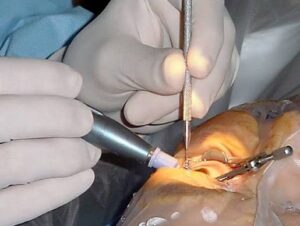
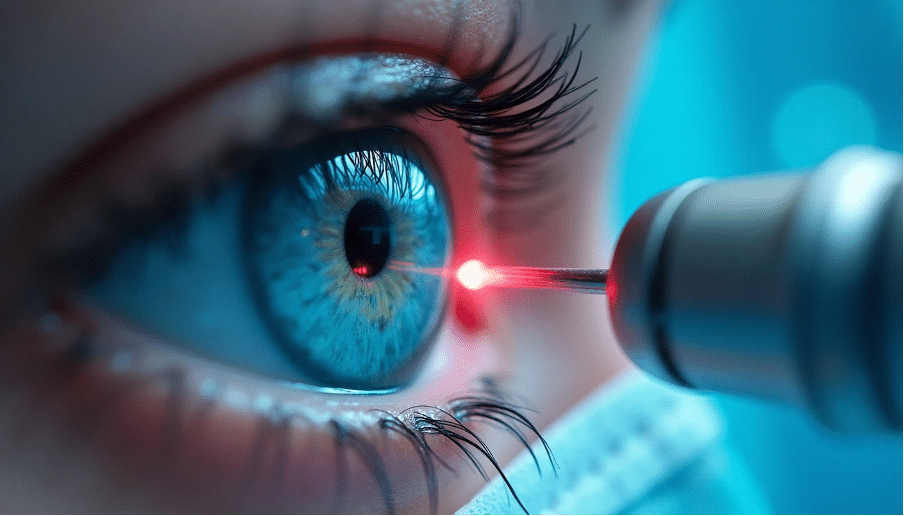
A laser operation for eyes is a vision correction procedure that reshapes the cornea, allowing light to focus more accurately on the retina. This helps improve visual clarity and can reduce or eliminate the need for corrective eyewear.
Laser vision correction is commonly used to treat:
- Nearsightedness (Myopia)
- Farsightedness (Hyperopia)
- Astigmatism
- Certain refractive vision problems
Most procedures are completed within minutes and are performed on an outpatient basis.
How Laser Vision Correction Works
Eye Examination → Vision Analysis → Corneal Mapping → Procedure Selection → Laser Treatment → Improved Vision
Why More People Are Choosing Laser Operation for Eyes
Growing screen usage, active lifestyles, and advances in ophthalmic technology have increased interest in laser operation for eyes.
Patients often choose laser vision correction because it offers:
- Greater visual freedom
- Reduced dependence on spectacles
- Convenience during travel
- Easier participation in sports and fitness activities
- Long-term vision improvement
- Enhanced confidence in everyday life
Many people also find that reducing recurring spending on glasses and contact lenses makes laser treatment a worthwhile long-term investment.
Types of Laser Operation for Eyes
Different patients require different treatment approaches. The best procedure depends on factors such as corneal thickness, prescription strength, eye health, and lifestyle requirements.
Common Types of Laser Vision Correction Procedures
| Procedure | Suitable For | Recovery Time | Key Advantage |
| LASIK | Mild to moderate refractive errors | 1–3 days | Rapid visual recovery |
| PRK | Thin corneas | 1–2 weeks | Alternative to LASIK |
| SMILE | Myopia and astigmatism | Few days | Minimally invasive |
| Contoura Vision | Customized correction | Few days | Personalized treatment |
Each option has unique benefits, making a detailed eye examination essential before selecting a procedure.
Benefits of Laser Operation for Eyes
The popularity of laser operation for eyes continues to grow because of the advantages it offers.
Key Benefits
- Sharper visual clarity
- Reduced need for glasses or contact lenses
- Greater convenience during daily activities
- Improved performance during sports and outdoor activities
- Long-lasting vision correction
- Minimal downtime
- Better quality of life
For suitable candidates, laser vision correction can be a life-changing investment in visual health.
Who Is Eligible for Laser Operation for Eyes?
Not everyone is immediately eligible for treatment. A comprehensive eye examination helps determine whether a patient is a suitable candidate.
Eligibility Checklist
| Requirement | General Recommendation |
| Age | 18 years or older |
| Vision Stability | Stable prescription for at least one year |
| Corneal Health | Healthy corneal structure |
| Eye Health | No active infection or disease |
| General Health | Suitable overall medical condition |
Eligibility Assessment Process
Consultation → Vision Testing → Corneal Evaluation → Medical Assessment → Eligibility Confirmation → Treatment Planning
Cost of Laser Operation for Eyes in 2026
The cost of a laser operation for eyes varies depending on several factors.
These include:
- Type of procedure selected
- Technology platform used
- Complexity of vision correction
- Diagnostic testing requirements
- Post-operative care and follow-ups
Factors That Influence Treatment Cost
| Factor | Impact on Cost |
| Procedure Type | High |
| Technology Used | High |
| Prescription Complexity | Moderate |
| Diagnostic Evaluation | Moderate |
| Follow-Up Care | Moderate |
While cost is an important consideration, treatment quality, surgeon expertise, safety standards, and long-term outcomes should remain the primary focus.
Are There Any Risks Associated With Laser Operation for Eyes?
Like any medical procedure, laser operation for eyes may involve certain risks.
Potential temporary side effects can include:
- Dry eyes
- Light sensitivity
- Glare around lights
- Mild discomfort during healing
- Temporary fluctuations in vision
Most side effects improve as the eyes heal. Proper screening, advanced technology, and adherence to post-operative instructions significantly reduce the likelihood of complications.
Recovery After Laser Operation for Eyes
Recovery timelines vary depending on the procedure performed and individual healing patterns.
Recovery Journey
Procedure Day
↓
Initial Rest
↓
Follow-Up Visit
↓
Vision Improvement
↓
Return to Daily Activities
↓
Long-Term Stability
Many patients notice visual improvement within a few days, although complete stabilization may take several weeks.
Recovery Tips
- Use prescribed eye drops as directed.
- Avoid rubbing your eyes.
- Wear protective eyewear when recommended.
- Attend all follow-up appointments.
- Limit exposure to dust and irritants during early recovery.
Real Experiences After Laser Operation for Eyes
Many patients describe a noticeable improvement in daily convenience after undergoing laser vision correction.
Common experiences include:
- Waking up with clear vision
- Reduced dependence on corrective eyewear
- Greater comfort during travel
- Improved participation in sports and recreational activities
- Increased confidence during professional and social interactions
Individual outcomes vary, which is why proper consultation and realistic expectations are important.
Expert Insights on Laser Vision Correction
“Successful vision correction begins with accurate diagnosis and careful patient selection.”
“Advances in laser technology continue to improve precision and predictability.”
“A personalized treatment plan plays a critical role in achieving optimal visual outcomes.”
These principles continue to guide modern refractive eye care practices worldwide.
Trends Building Laser Eye Care in 2026
Laser vision correction continues to evolve through innovation and advanced diagnostics.
Emerging Trends
- AI-assisted eye assessments
- Advanced corneal mapping systems
- Customized treatment planning
- Improved laser precision
- Faster recovery technologies
- Enhanced patient comfort protocols
The Future of Vision Correction
Advanced Diagnostics → AI-Based Analysis → Personalized Treatment Planning → Precision Laser Technology → Faster Recovery → Improved Outcomes
How to Choose the Right Hospital for Laser Operation for Eyes
The success of treatment depends not only on the procedure itself but also on the quality of care you receive.
Consider the following factors:
1. Advanced Diagnostic Technology
Detailed eye assessments help determine the most suitable treatment approach.
2. Experienced Eye Specialists
Expertise plays a major role in treatment planning and patient safety.
3. Personalized Recommendations
Every patient has unique visual requirements and eye health considerations.
4. Comprehensive Follow-Up Care
Ongoing monitoring helps ensure smooth recovery and optimal results.
5. Transparent Patient Education
A good hospital helps patients understand benefits, risks, expectations, and recovery requirements before treatment.
Laser Operation for Eyes in Ujjain
For patients considering laser operation for eyes in Ujjain, choosing a facility that offers comprehensive evaluations and advanced technology is essential.
Local access to consultations, follow-up appointments, and personalized care can make the treatment journey more convenient and comfortable.
Visualeyes Hospital focuses on detailed eye examinations, advanced diagnostic tools, and patient-centered treatment planning to help individuals make informed decisions about their vision correction options.
Why Patients Trust Visualeyes Hospital
When considering vision correction, patients often look for a combination of technology, expertise, and personalized care.
Visualeyes Hospital emphasizes comprehensive assessments, customized treatment recommendations, and ongoing patient support throughout the treatment process.
The goal is not only to improve vision but also to help patients feel confident and informed at every stage of their eye care journey.
Book Your Consultation Today
If you are considering a laser operation for eyes, the first step is a comprehensive eye evaluation.
A detailed assessment can determine your eligibility, identify the most appropriate treatment option, and answer any questions about recovery, costs, and expected outcomes.
Visualeyes Hospital provides advanced eye care solutions designed to help patients achieve clearer vision with confidence.
FAQs
Modern laser vision correction procedures have an excellent safety record when performed on suitable candidates after proper evaluation.
The treatment itself usually takes only a few minutes per eye, although the complete appointment may take longer due to preparation and assessment.
Many patients achieve long-term freedom from glasses or significantly reduce their dependence on corrective eyewear.
Several patients return to routine activities within a few days, although complete visual stabilization may take a few weeks.
Adults with stable vision, healthy corneas, and suitable overall eye health are typically considered potential candidates for laser vision correction.