Have you ever noticed that your vision is becoming blurry, colours look less bright, or driving at night is getting more difficult? These changes can sometimes be signs of cataracts, a common eye condition that usually develops with age.
A cataract forms when the natural lens inside the eye becomes cloudy, making it harder to see clearly. In the early stages, you may manage the problem with better lighting or updated glasses. However, when it starts affecting your daily activities, your eye doctor may recommend cataract surgery.
But what exactly happens during the surgery? Is it painful? How long does recovery take, and what should you know before making a decision? Let’s explore everything you need to know about cataract surgery, from its causes and symptoms to the procedure and recovery process.
What Is a Cataract?
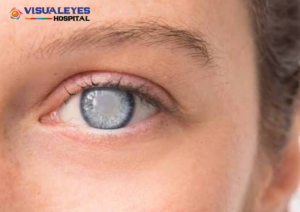
A cataract is a cloudy area that develops in the natural lens of your eye. This lens normally allows light to pass through and helps you see objects clearly. When it becomes cloudy, light cannot pass through as effectively, which can affect your vision.
Cataracts usually develop slowly, so you might not notice much difference in your eyesight at first. Over time, however, everyday tasks such as reading a book, using your phone, recognising faces, or driving at night may become more difficult.
Although cataracts are more common in older adults, they can also affect younger people due to eye injuries, certain medical conditions, medication use, or inherited factors.
What Causes Cataracts?
Ageing is the most common cause of cataracts. As we grow older, proteins in the natural lens begin to change, gradually making it cloudy. However, age is not the only factor that can contribute to this condition.
Here are some common causes and risk factors:
- Ageing: Changes in the lens over time can lead to cloudiness.
- Diabetes: People with diabetes have a higher risk of developing cataracts.
- Eye injuries: An injury to the eye can damage the lens and cause a cataract.
- Certain medications: Long-term use of corticosteroids may increase the risk.
- Sun exposure: Prolonged exposure to ultraviolet (UV) radiation may contribute to cataract development.
- Smoking: Smoking is associated with a greater risk of cataracts.
- Family history: Genetics can play a role in the development of cataracts.
Having one or more of these risk factors does not necessarily mean you will develop cataracts. Regular eye check-ups can help identify changes in your vision early.
What Are the Symptoms of Cataracts?
Cataracts do not usually develop overnight. You may notice small changes in your eyesight before the condition begins to interfere with your daily routine.
Some common symptoms include:
- Blurry or cloudy vision.
- Difficulty seeing clearly at night.
- Glare from sunlight or vehicle headlights.
- Colours appearing faded or less vibrant.
- Halos around lights.
- Frequent changes in your glasses prescription.
- Difficulty reading or recognising faces.
- Double vision in one eye in some cases.
These symptoms can also be caused by other eye conditions, so it is important to have your eyes examined rather than assuming that you have cataracts.
Why Is Cataract Surgery Needed?
In the early stages, cataracts may not cause significant problems. Your doctor might suggest updating your glasses or improving the lighting in your home to make daily activities easier.
However, these measures cannot remove the cataract. When the cloudy lens begins to affect your ability to read, drive, work, or carry out routine tasks, surgery may be the most suitable treatment.
During cataract surgery, the cloudy natural lens is removed and replaced with a clear artificial lens called an intraocular lens (IOL).
There is no fixed age or stage at which everyone needs surgery. The decision depends on how much your vision is affected, your lifestyle, and the overall health of your eyes. Your ophthalmologist can help you decide when surgery is appropriate.
What Are the Different Types of Cataract Surgery?
Cataract surgery can be performed using different techniques. The method your surgeon recommends will depend on the condition of your eye, the severity of the cataract, and other medical factors.
1. Phacoemulsification
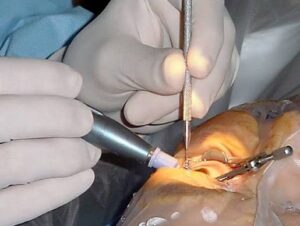
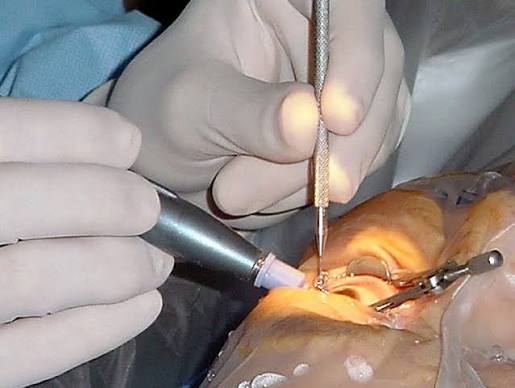
Phacoemulsification is one of the most commonly used methods of cataract surgery. The surgeon makes a small incision in the eye and uses an ultrasound-powered instrument to break the cloudy lens into tiny pieces. These pieces are then removed, and an artificial lens is placed inside the eye.
Because the incision is small, stitches are often unnecessary.
2. Laser-Assisted Cataract Surgery
In laser-assisted cataract surgery, a specialised laser helps the surgeon perform certain steps, such as creating incisions and opening the lens capsule.
The cloudy lens is then removed, and an artificial lens is implanted. Although laser technology can offer greater precision for selected steps, it does not guarantee better results for every patient. Your surgeon can explain whether this option is suitable for you.
3. Extracapsular Cataract Extraction
This technique involves removing the cloudy lens in one piece through a larger incision while leaving the lens capsule in place to support the artificial lens.
It may be recommended for certain dense or advanced cataracts when another technique is not the most suitable option. It is used less frequently than phacoemulsification.
What Are the Different Types of Artificial Lenses?
After the cloudy lens is removed, the surgeon usually places an artificial intraocular lens inside the eye. Different lenses are designed to suit different vision needs.
Monofocal lenses: These lenses focus on one main distance, usually far vision. You may still need glasses for reading or close-up activities.
Multifocal lenses: These lenses are designed to help you see at different distances. They may reduce your dependence on glasses, although some people experience glare or halos.
Toric lenses: These lenses help correct astigmatism, a condition in which the eye’s shape affects how light is focused.
Extended depth-of-focus lenses: These lenses aim to provide a wider range of clear vision, particularly for distance and intermediate tasks. Reading glasses may still be needed.
Choosing a lens is an important part of cataract surgery. Your eye measurements, existing eye conditions, lifestyle, and budget all play a role. Discuss the advantages and limitations of each option with your ophthalmologist before making a decision.
How Is Cataract Surgery Performed?
The thought of eye surgery can make anyone nervous, especially if they have never undergone a similar procedure. Understanding what happens during the process can make the experience feel less overwhelming.
Cataract surgery is generally performed as a day procedure, meaning most patients can return home on the same day.
Here is what usually happens.
Step 1: Eye Examination
Before surgery, your doctor examines your eyes and checks for other conditions that could affect the results. Measurements are taken to determine the correct power of the artificial lens.
You should also tell your doctor about any medical conditions, allergies, and medicines you take regularly.
Step 2: Preparing the Eye
Eye drops are usually given to numb the eye and widen the pupil. Depending on the situation, additional medication may be provided to help you relax.
You are generally awake during the procedure, but the anaesthesia helps minimise discomfort.
Step 3: Removing the Cloudy Lens
The surgeon makes a small incision and removes the cloudy lens using the chosen surgical technique. With phacoemulsification, ultrasound energy breaks the lens into smaller pieces before they are removed.
Step 4: Placing the Artificial Lens
Once the cloudy lens has been removed, the surgeon inserts the selected artificial lens into the eye. The lens helps focus light properly and improve vision.
Step 5: Going Home
After surgery, the medical team checks your condition and explains how to care for your eye. You will receive instructions about eye drops, protective measures, and follow-up appointments.
The surgical procedure often takes around 10–30 minutes, although the complete visit takes longer because of preparation and monitoring.
How Should You Prepare for Cataract Surgery?
A little preparation can help make the day of surgery easier. Your doctor will give you specific instructions based on your health and the type of procedure planned.
Before surgery, remember to:
- Attend all recommended eye examinations.
- Tell your doctor about your medical history, allergies, and regular medicines.
- Follow instructions about eye drops and medication.
- Ask whether you need to make any changes to your usual medicines. Never stop prescribed medication without medical advice.
- Follow the clinic’s instructions about eating and drinking.
- Arrange for someone to take you home.
- Discuss the type of artificial lens you will receive and what to expect afterward.
If you have any concerns about the procedure, recovery, or cost, discuss them with your doctor beforehand.
Is Cataract Surgery Painful?
One of the most common concerns people have is whether cataract surgery hurts.
The good news is that most patients experience little or no pain during the procedure because the eye is numbed with anaesthetic drops or another appropriate form of anaesthesia.
You may notice some pressure, bright lights, or movement during surgery. Afterward, mild irritation, watering, or a gritty feeling can occur while the eye heals.
However, severe or increasing pain is not normal and should be reported to your eye doctor promptly.
What Are the Benefits of Cataract Surgery?
When a cataract is responsible for poor vision, surgery can make a noticeable difference in everyday life.
Some potential benefits include:
- Clearer and sharper vision.
- Better ability to read and recognise faces.
- Improved colour perception.
- Less glare caused by the cataract.
- Greater comfort when carrying out daily activities.
- Improved independence for some patients.
- Reduced need for glasses for certain distances with suitable lens options.
The results vary from person to person. If another condition, such as glaucoma or a problem with the retina, is also affecting your vision, cataract surgery may not restore eyesight completely.
What Are the Risks of Cataract Surgery?
Cataract surgery is generally safe, but like any surgical procedure, it carries some risks. Your surgeon will assess your eye health and explain which complications are relevant to your situation.
Possible complications include:
- Infection inside the eye.
- Inflammation or swelling.
- Increased pressure inside the eye.
- Bleeding.
- Retinal detachment.
- Problems with the position of the artificial lens.
- Glare, halos, or other visual disturbances.
- Limited improvement in vision because of another eye condition.
Serious complications are uncommon, but they can sometimes affect vision significantly. Following your doctor’s instructions and attending follow-up appointments can help identify problems early.
How Long Does It Take to Recover From Cataract Surgery?
Recovery is usually gradual. Some people notice clearer vision within a few days, while others take longer for their eyesight to settle.
During the first few days, your eye may feel slightly uncomfortable, watery, or sensitive to light. These symptoms generally improve as healing progresses.
Vision often continues to improve over the following days and weeks. Complete healing can take several weeks and sometimes longer, depending on your eye health and the procedure.
Your doctor will tell you when you can safely return to activities such as driving, exercising, swimming, or lifting heavy objects. Do not resume driving until your vision meets the required standard and your doctor confirms that it is safe.
What Precautions Should You Take After Cataract Surgery?
Taking proper care of your eyes after surgery is important for a smooth recovery. Your surgeon will provide instructions based on your individual needs.
Use your prescribed eye drops: Follow the recommended schedule and do not stop them without medical advice.
Avoid rubbing your eye: Even if your eye feels itchy or uncomfortable, rubbing can interfere with healing.
Protect your eye while sleeping: Use a protective shield if your surgeon recommends one.
Be careful while washing: Follow instructions about bathing, washing your hair, and keeping soap or dirty water away from the operated eye.
Avoid strenuous activities initially: You may need to avoid swimming, heavy lifting, and vigorous exercise for a period.
Attend follow-up appointments: These visits allow your doctor to check your healing and monitor your vision.
Contact your eye doctor urgently if you experience sudden vision loss, severe pain, increasing redness, new flashes of light, or a sudden increase in floaters.
Can Cataracts Come Back After Surgery?
The original cataract does not grow back after surgery because the cloudy natural lens has been removed. However, some people develop a condition called posterior capsule opacification (PCO).
This happens when the thin membrane behind the artificial lens becomes cloudy, causing vision to become blurry again. People sometimes call this a secondary cataract, but it is not the same as the original cataract returning.
If PCO affects your vision, your ophthalmologist may recommend a short laser treatment called YAG laser capsulotomy. This treatment creates a small opening in the cloudy membrane to help light pass through more clearly.
Can Cataracts Be Prevented?
Unfortunately, there is no guaranteed way to prevent cataracts, particularly those caused by ageing. However, some healthy habits may help reduce certain risk factors and support overall eye health.
Here are a few practical steps:
- Wear sunglasses that provide UV protection when outdoors.
- Avoid smoking.
- Keep diabetes and other medical conditions under control with professional guidance.
- Eat a balanced diet with plenty of fruits and vegetables.
- Get regular eye examinations, especially as you grow older.
- Use steroid medicines only as prescribed and under appropriate medical supervision.
These habits cannot guarantee that cataracts will not develop, but they can support your long-term eye health.
What Is the Cost of Cataract Surgery?
The cost of cataract surgery can vary depending on the hospital or clinic, the surgeon, the surgical technique, and the artificial lens selected.
For example, a standard monofocal lens may cost less than a premium lens designed to correct astigmatism or provide a wider range of vision. Preoperative tests, medicines, follow-up visits, and other medical requirements may also affect the total expense.
Before deciding on surgery, ask your healthcare provider for a clear breakdown of the expected costs and what is included. It is also worth discussing which lens options are medically suitable for you rather than choosing one based on price alone.
Frequently Asked Questions About Cataract Surgery
1. At what age should you get cataract surgery?
There is no fixed age for cataract surgery. It is usually considered when the cataract begins to interfere with everyday activities or affects the ability to examine or treat other eye conditions.
2. How long does cataract surgery take?
The actual procedure often takes around 10–30 minutes. However, preparation, postoperative checks, and recovery at the clinic mean that the overall visit takes longer.
3. Will I need glasses after cataract surgery?
You may still need glasses for reading, distance vision, or specific tasks. This depends on the artificial lens selected, your eye measurements, and your visual needs.
4. Can cataracts be treated without surgery?
There is currently no proven eye drop or medicine that removes an established cataract. In the early stages, updated glasses and better lighting may help, but surgery is the definitive treatment when cataracts significantly affect vision.
5. Can both eyes be operated on at the same time?
Cataract surgery is commonly performed on one eye at a time, with the second eye treated separately. Same-day surgery on both eyes may be considered in selected cases under appropriate clinical protocols.
6. Is cataract surgery safe for people with diabetes?
Many people with diabetes can have cataract surgery. However, diabetes and related eye conditions, such as diabetic retinopathy, need to be assessed and managed appropriately before surgery.
7. When can I return to work after cataract surgery?
This depends on the type of work you do and how quickly your eye heals. People with desk-based jobs may return sooner than those whose work involves heavy lifting, dust, or strenuous physical activity. Follow your surgeon’s advice.
8. What symptoms after surgery should not be ignored?
Sudden vision loss, severe or worsening pain, increasing redness, new flashes of light, or a sudden increase in floaters require urgent medical assessment.
Conclusion
Cataracts can gradually affect your vision and make everyday activities more difficult, but the condition can often be treated successfully with surgery. Knowing the causes, symptoms, treatment options, and recovery process can help you understand what to expect and prepare for the next steps.
The right time for surgery and the most suitable artificial lens depend on your eye health, lifestyle, and visual needs. If you notice persistent blurry vision, glare, or difficulty seeing clearly, consult an ophthalmologist for a proper examination and personalised advice.