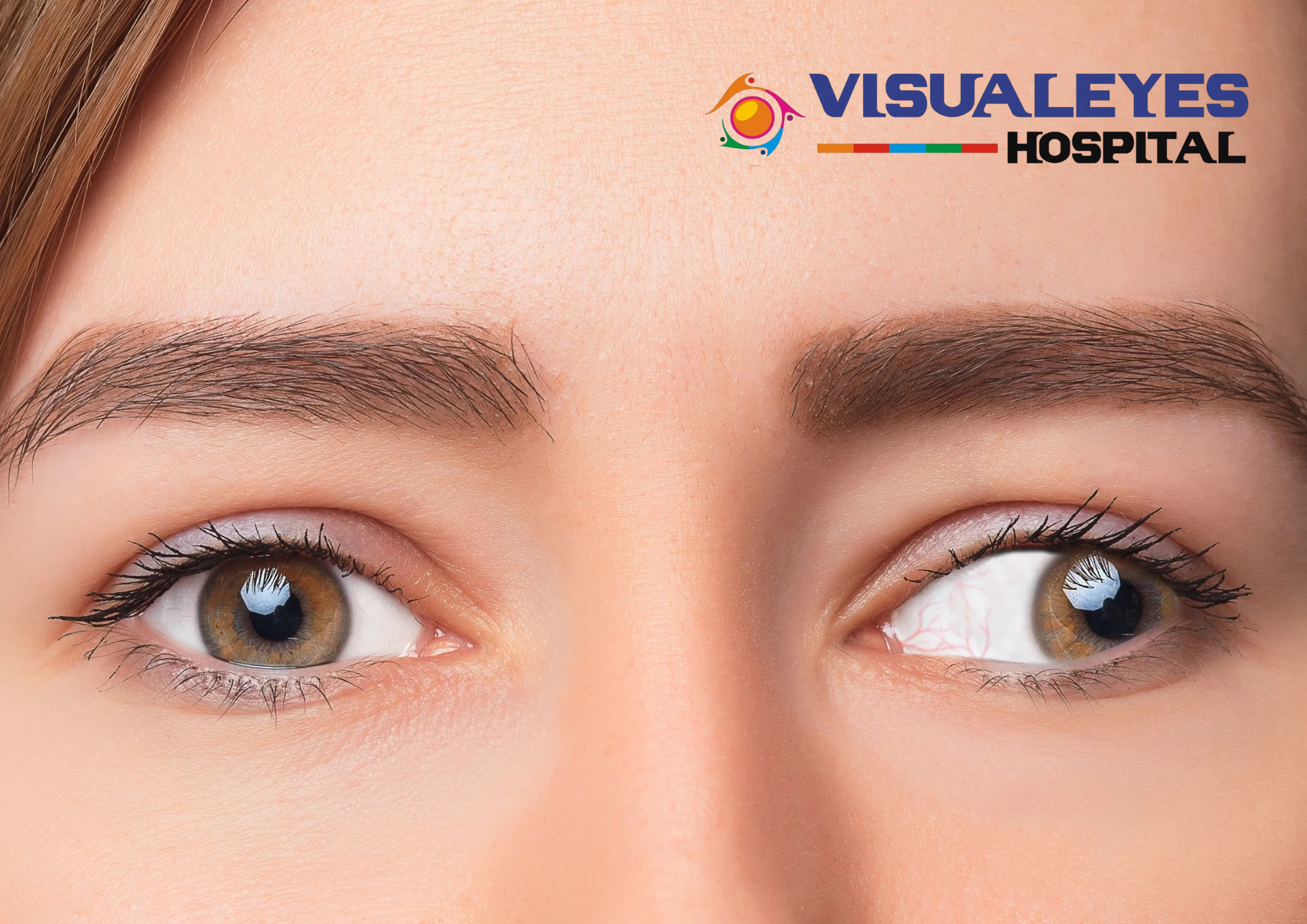
A squint, also known as strabismus, occurs when the eyes do not point in the same direction. One eye may look straight ahead while the other turns inward, outward, upward, or downward.
Besides affecting appearance, a squint can also interfere with binocular vision, depth perception, and, in some cases, lead to double vision or reduced vision in one eye.
At Visualeyes Hospital, experienced ophthalmologists evaluate each patient carefully to recommend the most appropriate treatment based on the type and severity of the condition.
Many patients wonder whether squint eye surgery can do more than straighten the eyes. The answer depends on the underlying cause, the patient’s age, and the overall health of the eyes.
Understanding what the procedure can achieve helps set realistic expectations before treatment.
Key Takeaways
- Squint affects both eye alignment and, in some cases, visual function.
- Surgery primarily corrects the position of the eyes.
- Some patients also experience improved binocular vision and depth perception.
- Comprehensive eye testing is essential before treatment.
- Early diagnosis often leads to better long-term outcomes.
- Personalized treatment planning improves safety and surgical success.
Understanding How a Squint Affects Vision
Healthy eyes work together to send matching images to the brain. When the eyes become misaligned, the brain receives two different images.
Depending on the condition, this may lead to:
- Double vision
- Poor depth perception
- Eye strain
- Difficulty focusing
- Reduced vision in one eye (amblyopia)
- Problems with reading or driving
Children and adults may experience different symptoms, making an early eye examination essential.
Can Surgery Improve Eye Alignment?
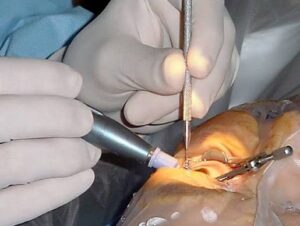
One of the primary goals of squint eye surgery is to correct the position of the eyes by adjusting the eye muscles responsible for movement.
During the procedure, the ophthalmologist may:
- Strengthen specific eye muscles
- Weaken overly tight muscles
- Reposition muscles for better balance
- Improve coordination between both eyes
By restoring proper alignment, many patients notice a significant improvement in facial appearance and eye coordination.
Can Surgery Also Improve Vision?
This is one of the most common questions patients ask.
The answer is that surgery primarily corrects eye alignment, but it may also improve certain aspects of vision depending on the individual case.
Possible visual improvements include:
Better Binocular Vision
When both eyes work together properly, the brain can combine images more effectively.
Improved Depth Perception
Patients often find it easier to judge distances after successful treatment, particularly if binocular vision improves.
Reduced Double Vision
Adults with acquired squint may experience a noticeable reduction in double vision after surgery.
Better Visual Comfort
Many patients report less eye strain and improved comfort during activities such as reading, computer work, and driving.
However, surgery does not always improve eyesight if vision loss is caused by amblyopia, retinal disease, cataracts, or other unrelated eye conditions.
Who Benefits Most from Squint Eye Treatment?
The benefits of squint eye surgery vary from patient to patient.
Treatment may be recommended for:
- Children with persistent eye misalignment
- Adults who developed squint later in life
- Patients experiencing double vision
- Individuals with cosmetic concerns
- People struggling with depth perception
- Patients whose condition affects daily activities
A comprehensive eye examination helps determine realistic treatment outcomes.
Eye Tests Before Surgery: Squint Eye Treatment
Before recommending surgery, your ophthalmologist performs several diagnostic tests.
These may include:
- Vision assessment
- Eye alignment measurements
- Eye muscle movement evaluation
- Refraction test
- Binocular vision assessment
- Dilated retinal examination
- Overall eye health evaluation
At Visualeyes Hospital, these detailed assessments help create a personalized treatment plan that prioritizes both safety and long-term results.
What to Expect During Recovery
Recovery is generally smooth for most patients.
You may experience:
- Mild redness
- Temporary irritation
- Watering of the eyes
- Slight discomfort for a few days
Most people return to routine activities within a short period, although recovery timelines vary depending on the individual and the complexity of the procedure.
Regular follow-up visits allow your doctor to monitor healing and eye alignment.
Decision Tree: Is Surgery the Right Option?
Notice a squint?
↓
Eye Examination
↓
Treatment Needed?
- Yes → Choose the right treatment → Surgery (if recommended)
- No → Regular Monitoring
Real Patient Experience: More Than Cosmetic Improvement
A 34-year-old marketing professional had lived with a noticeable squint since childhood. While she initially sought treatment to improve her appearance, she also mentioned frequent eye strain and difficulty judging distances while driving.
Following a detailed evaluation, the ophthalmologist recommended squint eye surgery. After recovery, her eyes were well aligned, and she noticed better coordination between both eyes.
She also reported greater confidence during presentations, easier reading, and reduced visual fatigue throughout the workday.
Her experience demonstrates that while every patient’s outcome is unique, correcting eye alignment can positively influence both visual function and quality of life.
Why Choosing an Experienced Eye Care Team Is Vital
Successful outcomes depend on much more than the surgical procedure itself.
Important factors include:
- Accurate diagnosis
- Advanced diagnostic technology
- Skilled ophthalmologists
- Individualized treatment planning
- Comprehensive follow-up care
At Visualeyes Hospital, every patient receives a detailed evaluation to determine the most suitable treatment approach based on their specific eye condition and visual needs.
Restore Comfortable Vision with Expert Care
Living with a squint can affect more than appearance, it can influence confidence, visual comfort, and everyday activities. If you’re considering squint eye surgery, the first step is a comprehensive eye evaluation to understand the best treatment option for your condition.
Visualeyes Hospital offers advanced diagnostic technology, experienced ophthalmologists, and personalized care to help patients achieve improved eye alignment and better visual outcomes. Schedule your consultation today and let our specialists guide you toward the right treatment plan.
FAQS
The procedure mainly corrects eye alignment. Some patients also experience improved binocular vision, depth perception, or reduced double vision, depending on their condition.
No. Adults can also benefit from treatment, especially if the condition affects vision, comfort, or confidence.
Most patients recover within a few weeks, although healing varies based on individual circumstances.
Some patients may continue wearing glasses if they have refractive errors that surgery does not correct.
In many cases, the correction is long-lasting. However, some patients may require additional treatment depending on the type and severity of the squint.