Are you tired of fumbling for your glasses every morning or dealing with the discomfort of contact lenses every single day? You are not alone. Millions of people across India live with the constant inconvenience of poor vision — and many of them are now turning to a long-term solution: laser operation for eyes.
This advanced eye treatment uses highly precise laser technology to reshape the cornea and permanently improve how your eyes focus light. The result? Clearer, sharper vision — often without the need for glasses or contacts.
In this article, we will walk you through everything you need to know — from how the surgery works and who qualifies, to the benefits, risks, recovery process, and costs in India. Whether you are seriously considering the procedure or simply curious, this guide will help you make an informed decision.
What is Laser Eye Surgery?
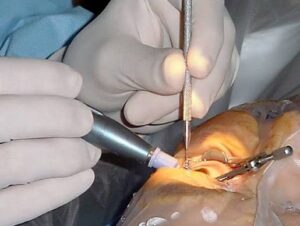
Laser eye surgery, also known as refractive surgery or vision correction surgery, is a medical procedure that uses laser beams to reshape the cornea — the clear, dome-shaped surface at the front of your eye. When the cornea has an irregular shape, light does not focus correctly on the retina, leading to blurry vision.
By carefully reshaping the cornea with a laser, the surgery helps light focus properly, correcting conditions like:
- Myopia (nearsightedness) — difficulty seeing distant objects
- Hyperopia (farsightedness) — difficulty seeing nearby objects
- Astigmatism — blurred or distorted vision caused by an irregularly shaped cornea
The procedure is quick, typically painless, and has helped millions of people worldwide achieve clear vision without depending on corrective eyewear.
Types of Laser Eye Surgery
There are several types of laser eye surgery available today. The right one for you depends on your eye health, corneal thickness, and lifestyle. Here are the three most common types:
LASIK (Laser-Assisted In Situ Keratomileusis)
LASIK is by far the most popular form of laser operation for eyes worldwide. The surgeon creates a thin flap on the surface of your cornea using a microkeratome or femtosecond laser, lifts it, and then uses an excimer laser to reshape the underlying corneal tissue. The flap is then repositioned, where it heals naturally.
Most patients notice a dramatic improvement in vision within 24 hours. LASIK is suitable for people with moderate to high prescriptions and offers a fast, comfortable recovery.
PRK (Photorefractive Keratectomy)
PRK was the first type of laser vision correction surgery and is still widely used, especially for patients with thinner corneas. Instead of creating a flap, the thin outer layer of the cornea (the epithelium) is gently removed, and the laser is applied directly to the corneal surface.
PRK recovery takes slightly longer than LASIK — around 3 to 5 days for the epithelium to regenerate — but the long-term results are equally excellent. It is often recommended for athletes or individuals with active lifestyles where a flap could be a risk.
SMILE (Small Incision Lenticule Extraction)
SMILE is the newest and most advanced form of laser eye treatment. It involves creating a small lens-shaped piece of tissue (lenticule) within the cornea using a femtosecond laser, which is then removed through a tiny incision. No flap is created, making it a minimally invasive option.
SMILE is particularly beneficial for people with dry eyes and higher prescriptions. It is gaining popularity rapidly in India due to its bladeless technique and precise outcomes.
Who is Eligible for Laser Operation for Eyes?
Not everyone is a good candidate for laser eye surgery. Here are the key eligibility criteria:
Age: Most eye surgeons recommend waiting until the age of 18, when vision tends to stabilise. The ideal age range is typically between 18 and 45.
Stable prescription: Your glasses or contact lens prescription should have remained unchanged for at least one to two years before surgery.
Corneal thickness: The cornea must be thick enough to safely undergo reshaping. Thin corneas may disqualify patients from LASIK but not necessarily from PRK or SMILE.
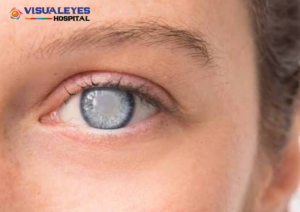
General eye health: You should be free from conditions like glaucoma, cataracts, keratoconus, or severe dry eye syndrome.
Overall health: Certain systemic conditions like autoimmune disorders or uncontrolled diabetes may affect healing and could be a contraindication.
A thorough pre-surgical evaluation by a qualified ophthalmologist will determine whether you are a suitable candidate.
Benefits of Laser Eye Surgery
The growing popularity of laser eye surgery is no surprise given the many advantages it offers:
Dramatically improved vision: Most patients achieve 20/20 vision or better after surgery. Many report seeing more clearly than they ever did with glasses or contacts.
Freedom from glasses and contacts: This is the biggest motivator for most patients. No more searching for misplaced spectacles or dealing with the irritation of contact lenses.
Quick results: With LASIK, many patients notice clear vision within hours of the procedure. Most resume normal activities within a day or two.
Long-lasting outcomes: Laser eye surgery produces permanent changes to the cornea. While age-related vision changes can still occur later in life, the correction itself is designed to last.
Improved confidence and quality of life: Being able to wake up and see clearly without reaching for glasses can be truly life-changing, especially for those who have worn corrective eyewear since childhood.
Cost-effective in the long run: When you add up years of buying new glasses, contact lenses, and cleaning solutions, laser surgery often pays for itself within a few years.
Risks and Side Effects
Like any surgical procedure, laser eye surgery carries some risks. Being aware of them helps you make a well-informed choice.
Dry eyes: This is the most common short-term side effect. The surgery temporarily reduces tear production, causing dryness and irritation. It usually resolves within a few months with prescribed eye drops.
Glare, halos, and starbursts: Some patients notice visual disturbances around lights — especially at night — during the healing period. These typically improve over time.
Temporary blurry or fluctuating vision: Vision may not be perfectly stable right after surgery. It usually settles within a few weeks.
Undercorrection or overcorrection: In some cases, the laser may remove too little or too much tissue. An enhancement procedure can be performed to fine-tune the results.
Flap complications (LASIK-specific): Rarely, the corneal flap may not heal correctly or may get dislocated due to injury.
Infection: Though extremely rare with modern surgical protocols, there is a small risk of post-surgical infection.
It is important to note that serious, permanent complications from laser eye surgery are very rare when performed by a trained and experienced ophthalmologist.
What to Expect During the Procedure
Before surgery: You will undergo a detailed eye examination to map your corneal shape, measure thickness, and assess your prescription. You will be asked to stop wearing contact lenses for at least a week before surgery. Avoid wearing makeup or perfumes on the day of the procedure.
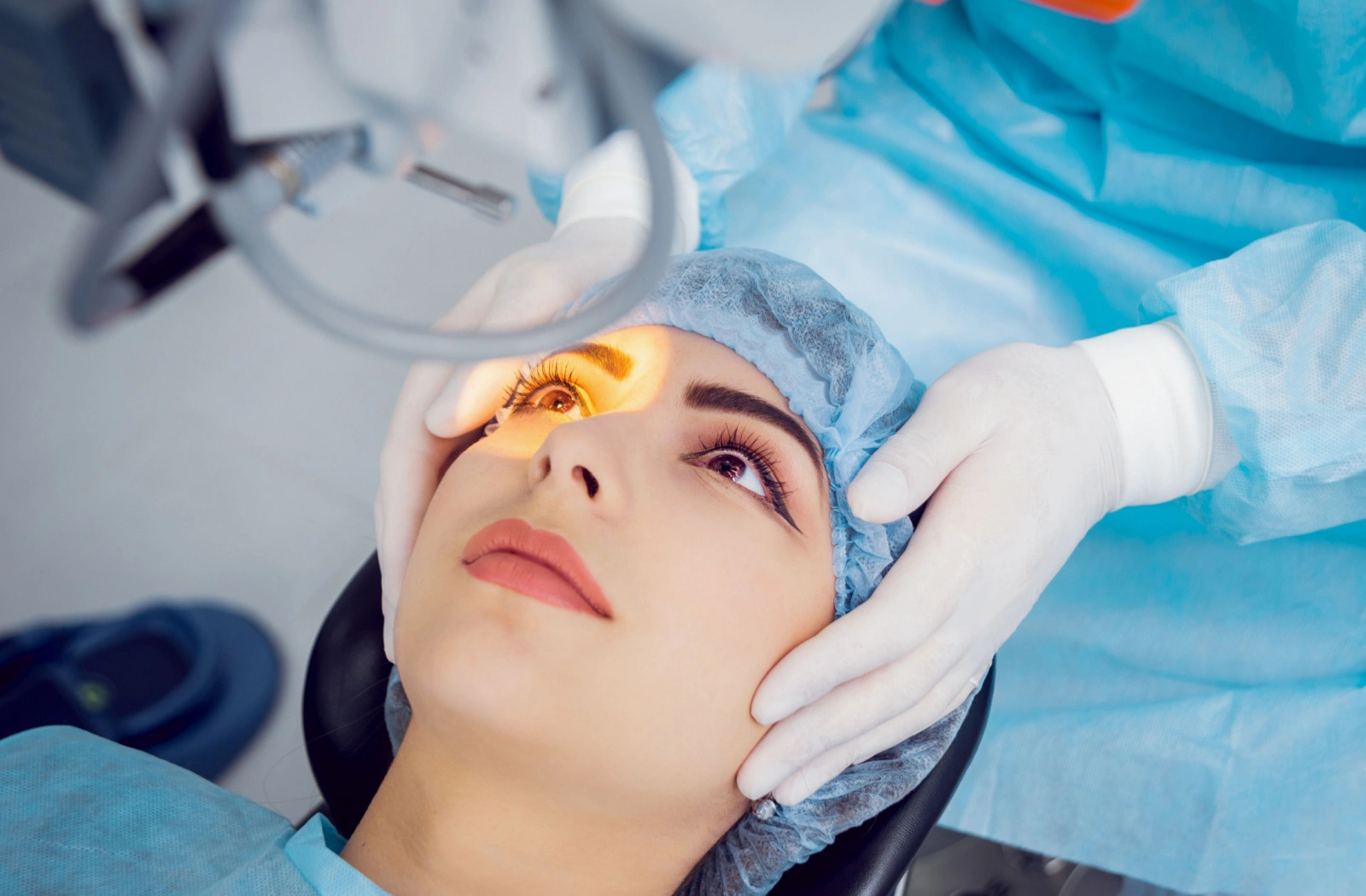
During the procedure: The surgery is performed under local anaesthesia in the form of numbing eye drops. You will be awake and asked to focus on a blinking light. The laser treatment itself takes only 20 to 60 seconds per eye. The entire procedure for both eyes is typically completed within 15 to 20 minutes.
What you feel: Most patients feel little to no pain during the surgery. A mild pressure sensation is normal. Your vision may blur temporarily during the procedure — that is completely expected.
Recovery After Laser Eye Surgery
Recovery is generally smooth and quick, but it varies slightly depending on the type of surgery:
LASIK: Most patients see clearly within 24 hours. Avoid rubbing your eyes, swimming, or dusty environments for at least two weeks. You can resume light work or computer use within a day or two.
PRK: The outer layer of the cornea takes 3 to 5 days to regenerate. Vision improves more gradually over one to two weeks.
SMILE: Recovery is similar to LASIK, with most patients experiencing comfort within a day or two.
General do’s and don’ts during recovery:
- Use prescribed antibiotic and anti-inflammatory eye drops as directed
- Wear sunglasses outdoors to protect against UV light
- Avoid swimming pools, hot tubs, and contact sports for at least a month
- Attend all follow-up appointments — these are critical for monitoring healing
- Do not drive until your doctor confirms your vision is stable
Cost of Laser Operation for Eyes in India
The cost of laser eye surgery in India varies depending on the technology used, the city, the hospital, and the surgeon’s experience.
| Type of Surgery | Approximate Cost (per eye) |
|---|---|
| LASIK (Blade) | ₹15,000 – ₹25,000 |
| Bladeless LASIK | ₹30,000 – ₹50,000 |
| SMILE | ₹50,000 – ₹80,000 |
| PRK | ₹20,000 – ₹35,000 |
Factors that affect cost:
- The city (metro cities like Mumbai, Delhi, and Bengaluru tend to be pricier)
- The reputation and infrastructure of the eye hospital
- The specific technology or laser platform used
- The experience of the surgeon
- Pre- and post-operative care included in the package
Many hospitals in India now offer EMI options and health financing, making the procedure more accessible than ever.
Is Laser Eye Surgery Safe?
Absolutely — when performed by a qualified and experienced ophthalmologist using advanced equipment, laser eye surgery is one of the safest elective procedures available today.
Success rates for LASIK and SMILE are consistently above 95%, with the vast majority of patients achieving 20/20 vision or better. Serious complications are exceedingly rare.
That said, the safety and quality of your outcome depend heavily on:
- Choosing a reputed eye care centre with modern laser technology
- Ensuring a thorough pre-surgical screening
- Following all post-operative care instructions diligently
Always consult at least one or two experienced ophthalmologists before making a final decision. Ask questions, understand your options, and choose a centre that prioritises transparency and patient safety over pricing.
Conclusion
A laser operation for eyes is one of the most transformative medical decisions you can make. For the right candidate, it offers the freedom of clear, natural vision — without glasses or contacts — often within just a day or two after the procedure.
From LASIK to SMILE, modern vision correction techniques are safer, faster, and more precise than ever before. The benefits are real, the recovery is manageable, and the long-term results speak for themselves.
If you have been thinking about laser eye surgery, the best first step is to schedule a consultation with a qualified ophthalmologist. A comprehensive eye evaluation will tell you which procedure suits your eyes and lifestyle best.
Life is meant to be seen clearly — and today, that is more achievable than ever.
Ready to experience life without depending on glasses or contact lenses? A laser operation for eyes can help you achieve clearer vision with advanced, safe, and effective treatment options. Schedule your consultation with an experienced eye specialist today and discover which laser eye surgery is right for you. Your journey to sharper vision starts with one expert consultation.
Frequently Asked Questions
No, the procedure is not painful. Numbing eye drops are applied before the surgery to ensure you remain comfortable throughout. Some patients feel mild pressure for a few seconds, but there is no sharp pain. After the surgery, you may experience slight discomfort or a gritty sensation for a few hours, which subsides quickly.
Recovery time depends on the type of procedure. With LASIK and SMILE, most patients notice clear vision within 24 to 48 hours and can return to daily activities within a day or two. With PRK, the full recovery can take one to two weeks as the outer corneal layer regenerates.
In most cases, the vision correction from LASIK is permanent. However, a small percentage of patients may experience some regression over time — especially those with high prescriptions. In such cases, an enhancement procedure can be performed. Age-related conditions like presbyopia may still develop later in life, as they are unrelated to LASIK.
The ideal age for laser operation for eyes is between 18 and 40 years. It is important that your prescription has been stable for at least one to two years before the procedure. Surgeons generally advise caution for patients over 40, as age-related farsightedness (presbyopia) becomes a factor.
Yes, the corneal reshaping achieved through laser eye surgery is permanent. The structural change made to your cornea does not reverse on its own. However, natural age-related changes to the eye’s lens (such as presbyopia or cataracts) can affect your vision later in life. These are separate from your laser correction and can be managed with other treatments if needed.